For those who haven’t found relief from antidepressants, Transcranial Magnetic Stimulation (TMS) is a safe, FDA-approved breakthrough. This non-invasive therapy uses gentle magnetic pulses to restore healthy function in the brain’s mood centers.
At Shore Clinical TMS & Wellness Center, our mental health providers have seen TMS therapy for depression transform lives—helping patients regain focus, energy, and emotional balance without the side effects of traditional medications. For expert TMS therapy in Linwood, your journey back to feeling like yourself starts here.
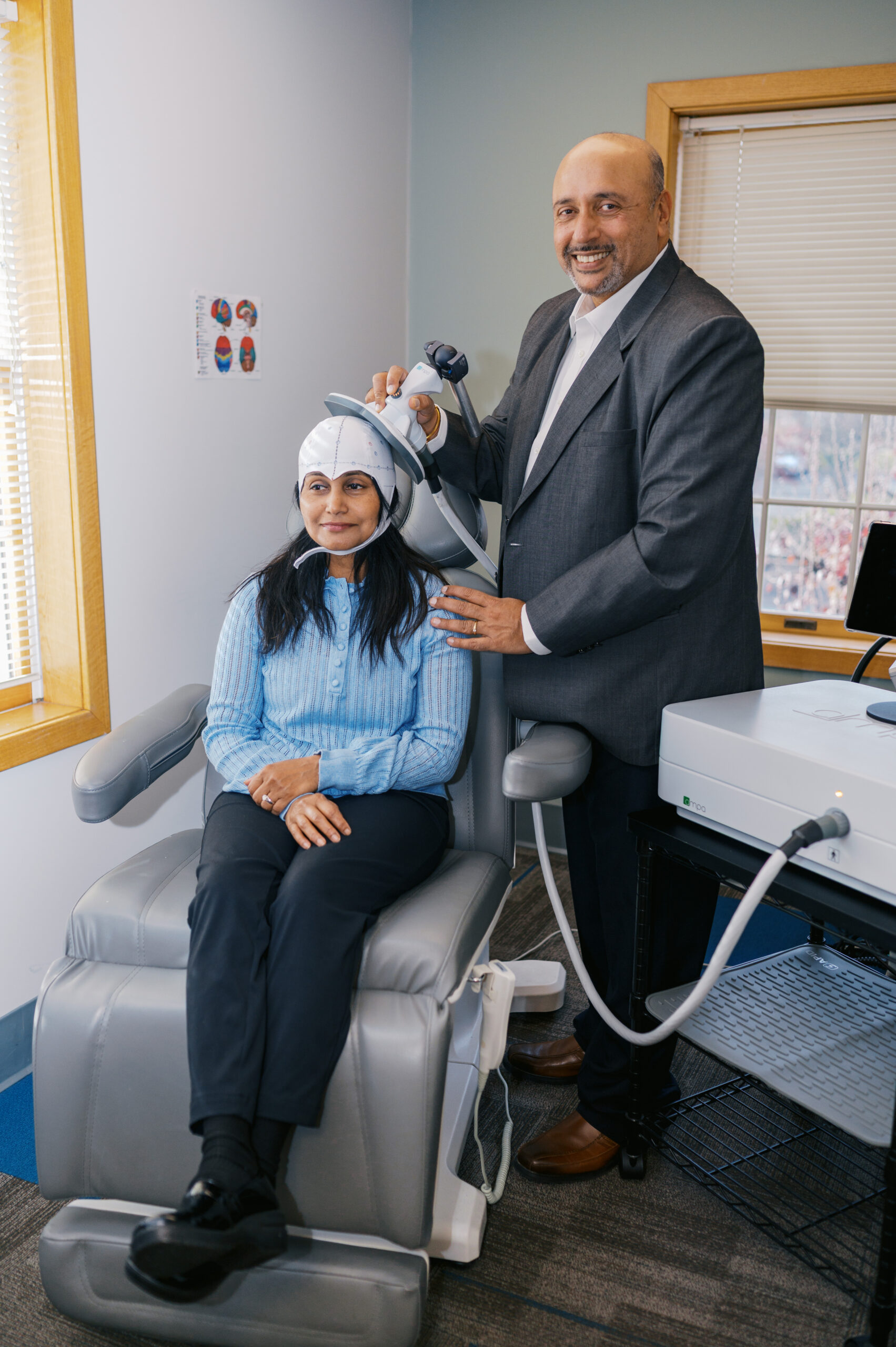
TMS therapy targets the brain’s Dorsolateral Prefrontal Cortex (DLPFC)—a region involved in mood regulation. Gentle magnetic pulses activate underactive neural pathways, promoting neuroplasticity—the brain’s natural ability to form new, healthier connections. This process improves the brain’s capacity to regulate emotions, leading to lasting symptom relief.
A standard course of treatment involves sessions lasting 20-40 minutes, five days a week, for 4-6 weeks. Patients remain awake and alert during the procedure.
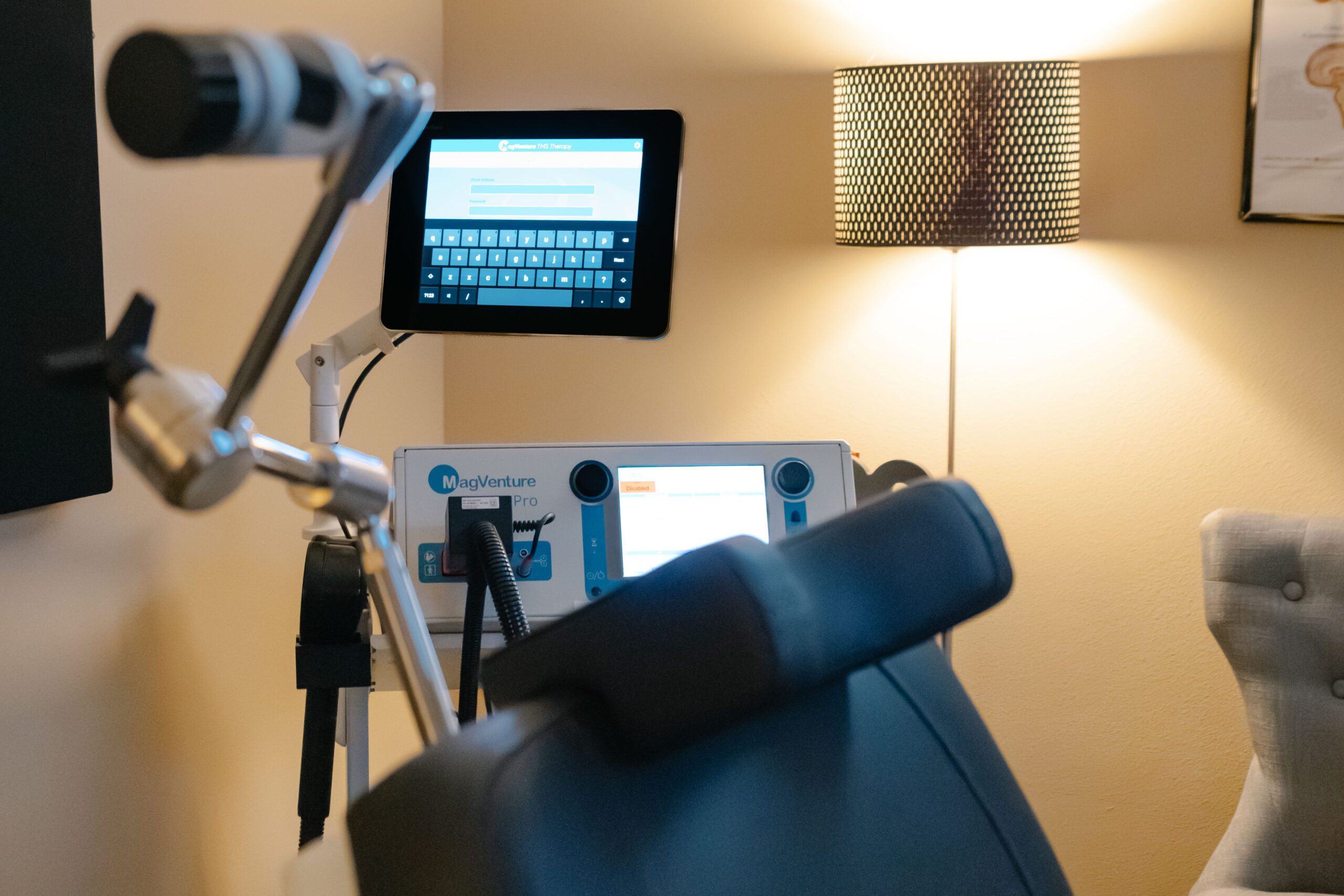
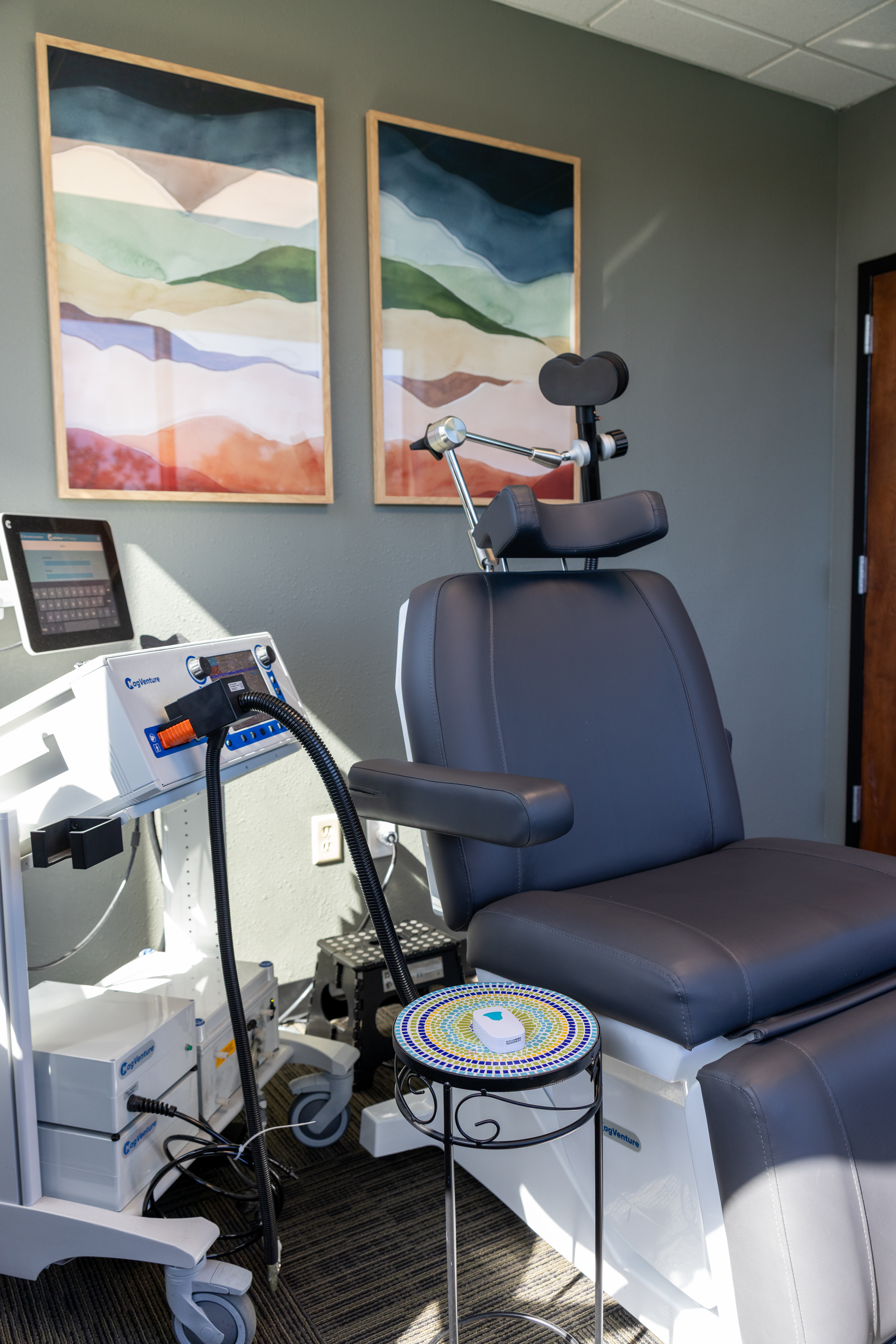
As a leading TMS therapy center in Linwood, we use the state-of-the-art MagVenture TMS device to ensure your treatment is:
Most insurance plans in Linwood, including Medicare, Aetna, Cigna, and Blue Cross Blue Shield, cover TMS therapy because of its high success rates and long-term cost-effectiveness. Our dedicated staff handles all insurance pre-authorizations for you, so you can focus entirely on your well-being.
Discover how TMS therapy in Linwood at Shore Clinical TMS & Wellness Center can help you reclaim your mental health. Call us today to schedule your consultation and start your journey to recovery.
Our TMS physician always prescribes TMS and determines the initial motor threshold (the optimal amplitude of treatment). The treatment itself is administered by an experienced TMS technician under the supervision of the TMS physician. They will always be present to monitor the patient during the treatment. The patient can stop a treatment at any time by requesting the staff member present.
A total course of TMS treatment consists of 36 sessions completed in about 7-8 weeks. The first 30 sessions are 5 days per week (Monday through Friday), and the last 6 sessions are usually tapered in a 3-2-1 fashion at Dr. Gowda’s discretion. The first appointment will be about 40 minutes long because informed consent forms, initial brain mapping, and motor thresholds must be completed before starting. Otherwise, each treatment is approximately 20 to 30 minutes long.
Remission rates vary per patient. It’s not uncommon to see many people enjoy the TMS benefits for 1 to 3 years or more.
Studies have shown that TMS is effective in Major Depressive Disorder treatment. For more information, please refer to our TMS results.
You’ll know if TMS is working when you notice a gradual improvement in your mood over an extended time period. Some people may feel the effects of TMS therapy within the first few weeks of receiving the treatment. Others may not notice any effects unless they complete the full course of TMS treatment.
Virtually, none. Compared to other treatments for depression, TMS is generally well-tolerated. The most common side effects reported by patients are mild discomfort at the treatment site, blurry vision, fatigue, facial twitching, temporary tinnitus and possible hearing loss. Development of a slight headache during the first week of treatment is also possible. If you experience a headache, inform your TMS physician immediately, so they can make coil adjustments to avoid any discomfort.
The most serious risk of TMS is seizures. However, the risk of a seizure is exceptionally low, and a thorough check on a client’s medical history is conducted to rule out this risk.
Patients with a history of seizures may not be eligible for TMS treatment, although this can be discussed with the doctor. Patients with any type of non-removable metal in their heads (with the exception of braces or dental fillings) should not receive TMS. Failure to follow this rule could cause the object to heat up, move, or malfunction, and result in serious injury or even death.
The following is a list of metal implants that can prevent a patient from receiving TMS:
If someone had an MRI done in the past, they can generally go for TMS.
After you complete the first 30 TMS sessions, the last 6 sessions are usually tapered out over a two-week period. Depending on your insurance, you may be approved for an additional 15 maintenance TMS treatments after your 36th session.